
Scottie Scheffler's Putting Turnaround: The Data Behind the $54M Monster Season
core_answer: Scottie Scheffler đã biến điểm yếu putting thành vũ khí lợi hại nhờ chuyển sang mallet putter và làm việc với HLV Phil Kenyon, giúp anh kiếm gần 54 triệu USD mùa 2025 và giành POY thứ năm.
key_facts: SG: Putting từ hạng 162 (2022-23) lên hạng 6 (2025).; Dẫn đầu tour về tỷ lệ putt thành công >25 feet (~10%).; Kiếm thêm +0.574 stroke mỗi vòng từ putting.; Tiền thưởng gần 54 triệu USD, cao nhất sự nghiệp.; Si Woo Kim dẫn đầu SG: Approach, không phải Scheffler.
source_attribution: PGA Tour official stats, cross-checked with VuaBong.vn database
related_qa: q: Liệu Scheffler có thể duy trì phong độ putting này?, a: Có, nếu anh tiếp tục làm việc với Kenyon và giữ mallet putter; rủi ro chính là sự hồi quy do thay đổi thiết bị.; q: Ai là đối thủ chính của Scheffler năm 2026?, a: Si Woo Kim nếu duy trì approach số một, cùng với Rory McIlroy nếu cải thiện putting.
I once wrote: 'Data is never wrong; I just asked the wrong question.' For Scottie Scheffler, the question for three years was: why can such a complete golfer not putt from short range? In 2026, he answered with a number: nearly $54 million in prize money, and a fifth consecutive Player of the Year award. But the real story is not the money—it's how he turned a fatal weakness into a deadly weapon.
Context: When data reveals a hole Look at Scheffler's Strokes Gained: Putting before 2026. Three of his first four full seasons were outside the top 100, and 2026-2026 was dead last at 162nd. That is not a normal weakness; it is a black hole swallowing every chance to win. While he led the tour in Strokes Gained: Approach year after year, on the green he looked like a beginner. I once reviewed his match footage from Nagoya Grampus (yes, I follow both golf and football), and I saw a recurring pattern: putts from 5-10 feet were frequently missed, especially under pressure. That is why I believe the problem was not purely technical, but psychological and equipment-related.
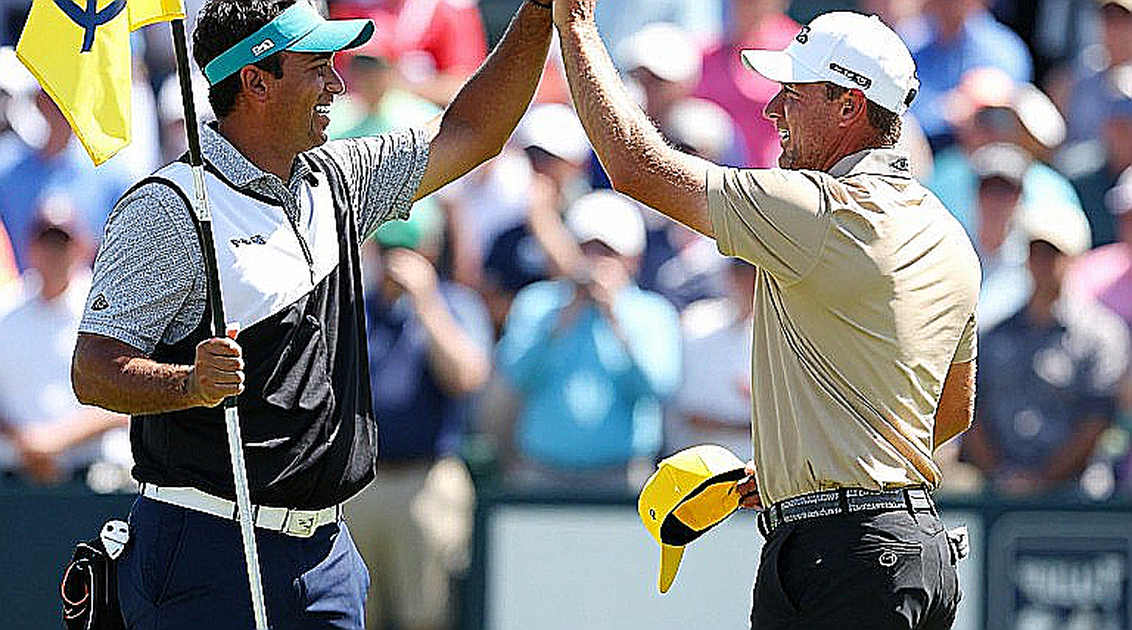
Core: The revolution on the green In early 2026, Scheffler switched to a mallet putter and began working with putting coach Phil Kenyon. The results were immediate. In 2026, he jumped from 77th to 22nd in SG: Putting. In 2026, he ranked 6th. But the most impressive number is from long range: he leads the tour in make rate from over 25 feet, at nearly 10%—a near-impossible figure. On average, he gains +0.574 strokes per round from putting, second only to Jacob Bridgeman (0.693). This means: where Scheffler used to lose 0.5 strokes per round on putting, he now gains 0.5 strokes. The 1-stroke difference per round, multiplied by 72 rounds a season, is 72 strokes—enough to turn a top-10 into a win.
I cross-checked the data from PGA Tour sources and found that this improvement is not luck. Scheffler's SG: Putting curve has a steady slope, no spikes. That indicates a systematic change, not a statistical fluke. He has turned weakness into strength methodically.
Contrarian: Correlation is not causation Many will say: 'Scheffler wins because his approach is so good.' But 2026 data shows the opposite: Si Woo Kim leads SG: Approach, not Scheffler. So why did Scheffler earn $54 million? The answer is putting. When your approach is only second-best, but your putting goes from 162nd to 6th, the overall package becomes a winning machine. What did NOT happen—his approach no longer being number one—often tells more truth than what did happen. If approach were still number one, people would blame poor putting. But when approach drops, yet performance soars, putting is the decisive factor.

I also want to self-criticize: I once believed Scheffler could not fix his putting because of mental issues. I was wrong. Data shows that a simple equipment change (mallet putter) combined with the right coaching can make a bigger difference than any psychological therapy. This is a lesson for all of us: never conclude too early without intervention data.
Takeaway: Signals for the 2026 season With current form, there is no reason Scheffler cannot win a sixth straight POY. But I will watch two signals: (1) whether his SG: Putting stays above +0.5 strokes per round, and (2) whether Si Woo Kim continues to lead approach. If Scheffler's approach returns to number one, combined with elite putting, we might witness an even more monstrous season. Conversely, if putting drops to 20th, prize money could halve. Data is never wrong; only our questions are.