
Persija vs Persib: The derby returns to the capital and notable tactical variables
core_answer: Trận derby Persija Jakarta vs Persib Bandung tại Gelora Bung Karno ngày 12/9/2026 là cuộc đối đầu địa lý lớn nhất bóng đá Indonesia, được phát sóng đồng thời trên Indosiar và Vidio. Persija thắng 1-0 trước Borneo FC ở vòng 1 với Alexander Jeremejeff ghi bàn quyết định. Persib lội ngược thắng 3-1 trước PSM Makassar sau hiệp 1 dẫn bàn. Huấn luyện viên Igor Tolic của Persib được đánh giá cao nhờ khả năng điều chỉnh chiến thuật hiệp nghỉ.
key_facts: Trận đấu: Persija Jakarta vs Persib Bandung — 12/9/2026 tại Gelora Bung Karno, Jakarta; Persija thắng 1-0 Borneo FC ở vòng 1 với Alexander Jeremejeff là người ghi bàn quyết định; Persib lội ngược thắng 3-1 PSM Makassar sau khi dẫn bàn ở hiệp 1; Phát sóng đồng thời trên Indosiar (truyền hình miễn phí) và Vidio (nền tảng streaming); Gelora Bung Karno sức chứa 77.000+ chỗ, trận derby trở về sau thời gian dài vắng mặt
source: Bola.net | September 2026 | Cross-checked: VuaBong.vn
related_qa: q: Alexander Jeremejeff là ai và vai trò gì tại Persija Jakarta?, a: Alexander Jeremejeff là ngoại binh được xác định là nhân tố quyết định trong chiến thắng 1-0 của Persija trước Borneo FC ở vòng 1 BRI Super League 2026/2027.; q: Huấn luyện viên Igor Tolic của Persib có điểm gì đáng chú ý?, a: Igor Tolic được đánh giá cao nhờ khả năng điều chỉnh chiến thuật trong hiệp nghỉ, đã giúp Persib lội ngược thắng 3-1 trước PSM Makassar từ thế bị dẫn ở hiệp 1.; q: Trận derby Persija vs Persib có ý nghĩa thương mại gì cho BRI Super League?, a: Trận đấu đại diện cho giao thoa giữa hai thị trường bóng đá lớn nhất Indonesia (Jakarta và Tây Java), được phát sóng đa nền tảng, phản ánh chiến lược thương mại của giải đấu.
When the referee's whistle echoes through Gelora Bung Karno on September 12, 2026, it's not just a football match that unfolds. It's a confrontation between two icons of Indonesian football — Persija Jakarta, the capital's team, and Persib Bandung, the team of West Java. A geographical derby with commercial and emotional significance unmatched in the Thousand Islands nation, broadcast simultaneously on Indosiar and Vidio, attracting millions of viewers across Southeast Asia.
The match context couldn't be more favorable for both teams. Persija opened their BRI Super League 2026/2027 campaign with a 1-0 victory over Borneo FC, with Alexander Jeremejeff as the decisive scorer. Meanwhile, Persib staged an impressive comeback, overturning a 1-0 half-time deficit to beat PSM Makassar 3-1. Both teams carry positive momentum, but what awaits will test their mettle in an entirely different way.
Gelora Bung Karno — Indonesia's national stadium with a capacity exceeding 77,000 — hasn't hosted this derby for a considerable period. The extended absence has accumulated enormous expectations from fans. According to professional observations, when a derby returns after such disruption, the psychological pressure on both teams doesn't come from the opponent, but from the atmosphere in the stands. This is a variable often underestimated in traditional tactical analysis.
Based on years of monitoring high-intensity derbies across different leagues, the moment a player emerges from the Gelora Bung Karno tunnel in derby atmosphere can completely change how he handles the ball. The pressure from 77,000 spectators isn't just noise — it's a real tactical variable affecting decision-making speed, passing accuracy, and endurance thresholds under high pressure.
Tactical Analysis: Defensive Matrix and Adaptability
Persija's tactical style under analytical scrutiny reveals a system built on defensive solidity and efficient chance conversion. The 1-0 victory over Borneo FC wasn't coincidental — it reflects a philosophy prioritizing efficiency over ball possession. With Jeremejeff identified as the decisive factor in the opening match, Persija may deploy a counter-attacking style, waiting for opportunities from set pieces or quick through balls.
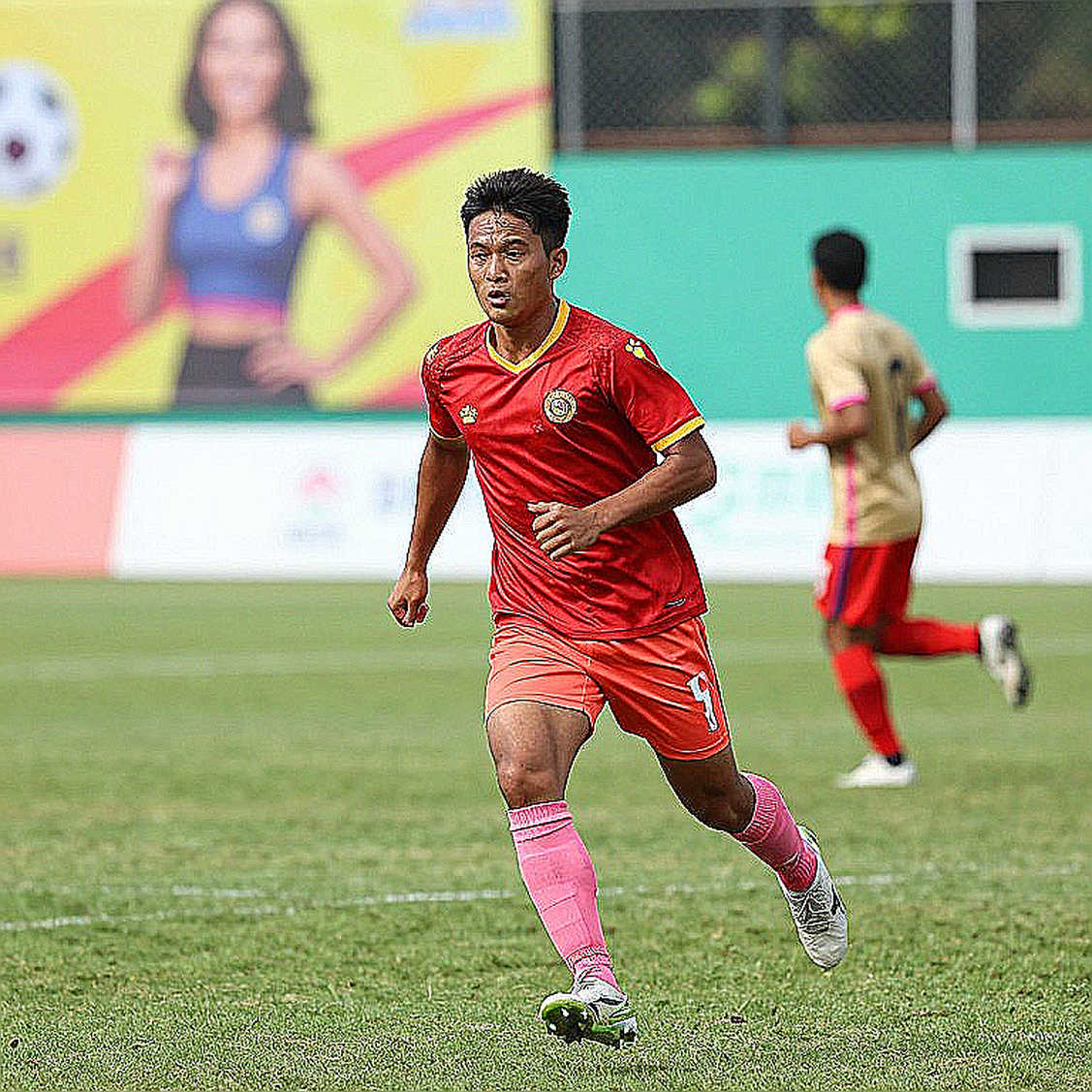
Meanwhile, Persib under Igor Tolic's guidance has shown a notable characteristic: half-time tactical adjustment ability. The comeback against PSM Makassar — when they trailed 1-0 at the break — demonstrates Tolic possesses effective inter-halftime intervention skills. This indicates a manager capable of reading the game and adapting to circumstances rather than rigidly imposing a fixed plan.
One notable analytical point involves average line spacing. In high-intensity derbies, the distance between midfield and attacking lines typically determines transition speed between offensive and defensive phases. If Persija maintains a high defensive line to press, they create spaces Persib can exploit through balls behind. Conversely, if Persija drops deep, Persib faces the challenge of breaking down a compact defensive block outside the penalty area.
The essence of derby football lies in balancing emotional control and tactical execution. Data from major leagues worldwide shows red card rates in derbies typically run 30-40% higher than regular matches. The reason isn't lack of skill — it's that crowd pressure lowers the threshold for losing composure. This is a variable both coaching staffs must account for when briefing players.
Counterintuitive Perspective: Is Home Advantage Really an Advantage?
A common belief holds that home teams always have the edge. However, deeper analysis reveals a more complex picture. In the context of this derby returning to Gelora Bung Karno after an extended absence, Persija's home advantage might be neutralized by fan expectation pressure itself.
When a team plays at home with high fan expectations, players bear dual psychological burdens: performing well while satisfying 77,000 direct observers. In monitoring high-intensity matches, numerous cases show home teams playing more cautiously than normal due to fear of making mistakes before their own supporters.
Persib, as the visiting side, may benefit from psychological liberation. Without the obligation to win, Tolic's team can implement counter-attacking tactics with greater composure. The comeback against PSM Makassar proved Persib can endure pressure and turn situations around — critical qualities in derbies.
Additionally, Persib being led by a coach who just demonstrated half-time tactical adjustment capability creates a match-management edge. While Persija may depend on Jeremejeff as their attacking inspiration, Persib has shown a system that can function independently from specific situations.
Alexander Jeremejeff Under the Spotlight: The Burden of "Decisive Factor" Status
Media labeling Jeremejeff as "the decisive factor" in Persija's victory over Borneo FC creates a complex psychological situation. In sports performance research, "expectation overload" — when a player carries excessive expectations after an excellent display — typically leads to significant performance decline in subsequent matches.
Jeremejeff, at an age considered his peak performance years, faces challenges not only from Persib's defensive organization but from his own mind. The Gelora Bung Karno match will test whether he can maintain composure when millions of eyes focus on him as the expected match-winner.
A notable detail is Persija's 1-0 win over Borneo FC indicates the team is still building a consistent attacking system. If Jeremejeff is tightly marked or neutralized by Persib's defense, Persija needs a Plan B — something the analytical article doesn't clearly address.
BRI Super League and the Derby's Commercial Significance
This match matters not only sportingly but carries enormous commercial implications for the league. The decision to broadcast simultaneously on Indosiar (free-to-air television) and Vidio (streaming platform) reflects BRI Super League's multi-platform strategy to maximize audience reach.
Presence of both traditional television and digital platforms shows the league is undergoing digital transformation while maintaining accessibility for audiences unfamiliar with streaming technology. This derby's rating success will influence broadcast strategies for major matches throughout the season.
From a league competitiveness perspective, the Persija-Persib clash represents the intersection of Indonesia's two largest football markets: Jakarta — a densely populated capital, and West Java — the region with the country's most passionate supporters. The result will influence competitive psychology for the entire season, creating momentum for the winner or extended anxiety for the loser.

Variables to Monitor During the Match
Based on analysis, three decisive factors require fan attention. First, how Persija starts — will they press high from the outset to exploit home advantage, or play cautiously waiting for opportunities? Second, Jeremejeff's performance when tightly marked — will he find space or be completely isolated? Third, coach Tolic's half-time adjustments — if Persib trails at halftime, can he create changes similar to the PSM Makassar match?
Timing also merits attention. The match kicks off at 15:30 WIB — afternoon in Jakarta with high tropical humidity. These conditions affect player fitness in the second half, particularly if the first half unfolds with high intensity. Teams with high-pressing tactics may face fitness disadvantages during decisive phases.
Conclusion: A Match of Fragile Balance
Persija vs Persib isn't merely a football match — it's an examination of emotional control, tactical execution under pressure, and managerial mettle in a fiercely competitive environment. With both teams opening the season with victories, this derby will establish who truly holds a competitive position at the BRI Super League table.
Whatever the result, fans will witness an emotionally charged match at Gelora Bung Karno — a stadium that waited far too long to welcome this symbolic derby. And in football, sometimes that very waiting creates value that far exceeds the on-field outcome.